Domain to-nacht.de kaufen?
Wir ziehen mit dem Projekt
to-nacht.de um.
Sind Sie am Kauf der Domain
to-nacht.de interessiert?
domain@kv-gmbh.de · 0541-91531010
Domain to-nacht.de kaufen?
Liefert Amazon UK Marcy's Journal - A Guide to Amphibia nicht mehr nach Deutschland?
Es tut mir leid, aber zum aktuellen Zeitpunkt liefert Amazon UK Marcy's Journal - A Guide to Amphibia nicht nach Deutschland. Es könnte sein, dass es aufgrund von Lieferbeschränkungen oder anderen Gründen nicht verfügbar ist. Es könnte sich lohnen, die Verfügbarkeit in Zukunft erneut zu überprüfen oder nach alternativen Möglichkeiten zu suchen, um das Buch zu erhalten. **
Wann benutzt man im Englischen 'to be supposed to' und wann 'to be expected to'?
Im Englischen benutzt man "to be supposed to", um auszudrücken, was von jemandem erwartet wird oder was er tun sollte, basierend auf Regeln, Vereinbarungen oder Erwartungen. "To be expected to" wird verwendet, um auszudrücken, was wahrscheinlich oder erwartet wird, dass jemand tut, basierend auf der Situation oder den Umständen. Beide Ausdrücke beziehen sich auf Erwartungen, aber "to be supposed to" bezieht sich mehr auf externe Regeln oder Vereinbarungen, während "to be expected to" sich auf allgemeine Erwartungen oder Vorhersagen bezieht. **
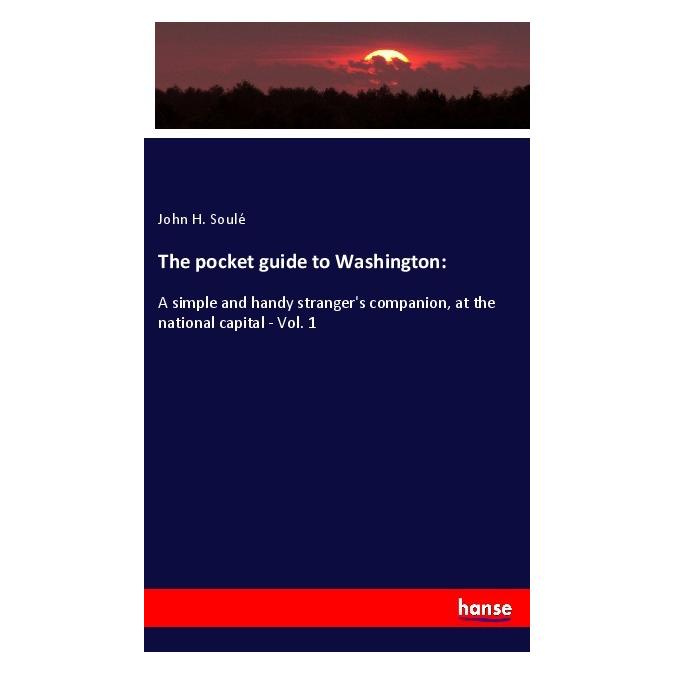

Ähnliche Suchbegriffe für Hansebooks-Guide-to-Washington
Top-Angebote
Produkte zum Begriff Hansebooks-Guide-to-Washington:
-
Hansebooks Guide to Washington and its Scientific Institutions (Englisch, Softcover, International Geological Congress) (55966072)Hansebooks Guide to Washington and its Scientific Institutions (Englisch, Softcover, International Geological Congress) (55966072)12,90 €*Versand: 0,00 €Sichere Weiterleitung zum Anbieter
-
The Rough Guide to Japan: Travel Guide with eBookThe Rough Guide to Japan: Travel Guide with eBook , This Japan guidebook is perfect for independent travellers planning a longer trip. It features all of the must-see sights and a wide range of off-the-beaten-track places. It also provides detailed practical information on preparing for a trip and what to do on the ground. And this Japan travel guidebook is printed on paper from responsible sources, and verified to meet the FSC's strict environmental and social standards. This Japan guidebook covers: Tokyo (and around); Northern Honshu; Hokkaido; Central Honshu; Kyoto and Nara; Kansai; Western Honshu; Shikoku; Kyushu; Okinawa. Inside this Japan travel book, you'll find: - A wide range of sights - Rough Guides experts have hand-picked places for travellers with different needs and desires: off-the-beaten-track adventures, family activities or chilled-out breaks - Itinerary examples - created for different time frames or types of trip - Practical information - how to get to Japan, all about public transport, food and drink, shopping, travelling with children, sports and outdoor activities, tips for travellers with disabilities and more - Author picks and things not to miss in Japan - Ginkaku-ji Temple and Gardens, Kyoto; Nikko; Mount Fuji; Ryokan; Hiroshima's Peace Memorial Park; Roppongi at Night; Naoshima Island; Hiking the Northern Alps; Yaeyama Islands, Okinawa; Kaiyukan Aquarium - Insider recommendations - tips on how to beat the crowds, save time and money, and find the best local spots - When to go to Japan - high season, low season, climate information and festivals - Where to go - a clear introduction to Japan with key places and a handy overview - Extensive coverage of regions, places and experiences - regional highlights, sights and places for different types of travellers, with experiences matching different needs - Places to eat, drink and stay - hand-picked restaurants, cafes, bars and hotels - Practical info at each site - hours of operation, websites, transit tips, charges - Colour-coded mapping - with keys and legends listing sites categorised as highlights, eating, accommodation, shopping, drinking and nightlife - Background information for connoisseurs - history, culture, art, architecture, film, books, religion, diversity - Essential Japanese dictionary and glossary of local terms - Free download of the eBook - available after purchase of the printed guidebook to Japan - Fully updated post-COVID-19 The guide provides a comprehensive and rich selection of places to see and things to do in Japan, as well as great planning tools. It's the perfect companion, both ahead of your trip and on the ground. , > , Auflage: 9. Auflage, Erscheinungsjahr: 20240201, Produktform: Kartoniert, Titel der Reihe: Rough Guides Main Series##, Autoren: Binks, Tim~Hallett, Rebecca~Zatko, Martin, Redaktion: Guides, Rough, Auflage: 24009, Auflage/Ausgabe: 9. Auflage, Seitenzahl/Blattzahl: 848, Themenüberschrift: TRAVEL / Asia / East / Japan, Keyword: Japan; Japan travel; Japan travel guide; Japan travel guide book; Japan guidebook; Japan guide book; Japan guide; Japan travel guidebook; Japan travel book; rough guide Japan; rough guides Japan; Japan rough guide; Japan rough guides; lonely planet Japan; fodors Japan; frommers Japan; rick steves Japan; Japan tour, Fachschema: Englische Bücher / Reise / Asien~Japan / Reiseführer, Reisebeschreibung, Imprint-Titels: Rough Guides, Warengruppe: HC/Reiseführer/Kunstreiseführer/Asien, UNSPSC: 49019900, Warenverzeichnis für die Außenhandelsstatistik: 49019900, Länge: 199, Breite: 132, Höhe: 37, Gewicht: 676, Produktform: Kartoniert, Genre: Importe,24,01 €*Versand: 0,00 €Sichere Weiterleitung zum Anbieter
-
Hansebooks The Spurious Letters Attributed to Washington (Englisch, Softcover, George Washington, Worthington Chauncey Ford) (56095395)Hansebooks The Spurious Letters Attributed to Washington (Englisch, Softcover, George Washington, Worthington Chauncey Ford) (56095395)17,90 €*Versand: 0,00 €Sichere Weiterleitung zum Anbieter



-
Wie bildet man das Present Progressive bei "to be able to" und "to be allowed to"?
Um das Present Progressive bei "to be able to" zu bilden, verwendet man die entsprechende Form von "to be" (am, is, are) im Present Progressive und fügt dann "able to" hinzu. Zum Beispiel: "I am able to swim" oder "She is able to speak French". Bei "to be allowed to" bildet man das Present Progressive ebenfalls mit der entsprechenden Form von "to be" (am, is, are) im Present Progressive und fügt dann "allowed to" hinzu. Zum Beispiel: "We are allowed to park here" oder "He is allowed to stay out late". **
-
Wann soll ich 'able to', 'allowed to' und 'have to' verwenden?
Du solltest "able to" verwenden, wenn du die Fähigkeit oder Möglichkeit hast, etwas zu tun. "Allowed to" wird benutzt, um zu beschreiben, dass du die Erlaubnis hast, etwas zu tun. "Have to" wird verwendet, um auszudrücken, dass du verpflichtet bist, etwas zu tun, also keine Wahl hast. **
-
Wann benutzt man "not to be supposed to" und wann benutzt man "not to be expected to"?
"not to be supposed to" wird verwendet, um auszudrücken, dass etwas nicht erwartet oder erlaubt ist, basierend auf Regeln, Normen oder Erwartungen. Zum Beispiel: "Kinder sind nicht dazu bestimmt, bis spät in die Nacht aufzubleiben." "not to be expected to" wird verwendet, um auszudrücken, dass etwas nicht erwartet wird, basierend auf den Fähigkeiten oder Möglichkeiten einer Person. Zum Beispiel: "Er ist nicht dazu erwartet, alleine eine komplexe Aufgabe zu lösen." **
-
Warum wird To Love-Ru To Love-Ru genannt? - Warum wird To Love-Ru als To Love-Ru bezeichnet?
To Love-Ru wird als To Love-Ru bezeichnet, weil dies der Titel des Manga und des Anime ist. Der Name "To Love-Ru" stammt von der Hauptfigur Lala Satalin Deviluke, die aus dem Planeten Deviluke stammt. In der Geschichte geht es um Liebe und Romantik, daher passt der Titel "To Love-Ru" gut zu dem Inhalt der Serie. **


Was bedeutet "Tribute to" in der Musik?
"Tribute to" in der Musik bedeutet, dass ein Künstler oder eine Band ein Lied oder ein Album veröffentlicht, das als Hommage oder Anerkennung an einen anderen Künstler oder eine andere Band gedacht ist. Es kann bedeuten, dass die Songs im Stil oder im Sound des geehrten Künstlers gehalten sind oder dass sie bekannte Lieder des Künstlers covern. **
Wann benutzt man im Englischen "need to", "got to" und "have to" für "muss" im Deutschen?
Im Englischen werden "need to", "got to" und "have to" alle verwendet, um "muss" im Deutschen auszudrücken. "Need to" wird verwendet, um eine Notwendigkeit oder Verpflichtung auszudrücken. "Got to" wird umgangssprachlich verwendet, um eine starke Verpflichtung oder Dringlichkeit auszudrücken. "Have to" wird verwendet, um eine allgemeine Verpflichtung oder Notwendigkeit auszudrücken. **
Top-Angebote
Produkte zum Begriff Hansebooks-Guide-to-Washington:
-
Hansebooks Guide to Washington and its Scientific Institutions (Englisch, Softcover, International Geological Congress) (55966072)Hansebooks Guide to Washington and its Scientific Institutions (Englisch, Softcover, International Geological Congress) (55966072)12,90 €*Versand: 0,00 €Sichere Weiterleitung zum Anbieter
-
The Rough Guide to Japan: Travel Guide with eBookThe Rough Guide to Japan: Travel Guide with eBook , This Japan guidebook is perfect for independent travellers planning a longer trip. It features all of the must-see sights and a wide range of off-the-beaten-track places. It also provides detailed practical information on preparing for a trip and what to do on the ground. And this Japan travel guidebook is printed on paper from responsible sources, and verified to meet the FSC's strict environmental and social standards. This Japan guidebook covers: Tokyo (and around); Northern Honshu; Hokkaido; Central Honshu; Kyoto and Nara; Kansai; Western Honshu; Shikoku; Kyushu; Okinawa. Inside this Japan travel book, you'll find: - A wide range of sights - Rough Guides experts have hand-picked places for travellers with different needs and desires: off-the-beaten-track adventures, family activities or chilled-out breaks - Itinerary examples - created for different time frames or types of trip - Practical information - how to get to Japan, all about public transport, food and drink, shopping, travelling with children, sports and outdoor activities, tips for travellers with disabilities and more - Author picks and things not to miss in Japan - Ginkaku-ji Temple and Gardens, Kyoto; Nikko; Mount Fuji; Ryokan; Hiroshima's Peace Memorial Park; Roppongi at Night; Naoshima Island; Hiking the Northern Alps; Yaeyama Islands, Okinawa; Kaiyukan Aquarium - Insider recommendations - tips on how to beat the crowds, save time and money, and find the best local spots - When to go to Japan - high season, low season, climate information and festivals - Where to go - a clear introduction to Japan with key places and a handy overview - Extensive coverage of regions, places and experiences - regional highlights, sights and places for different types of travellers, with experiences matching different needs - Places to eat, drink and stay - hand-picked restaurants, cafes, bars and hotels - Practical info at each site - hours of operation, websites, transit tips, charges - Colour-coded mapping - with keys and legends listing sites categorised as highlights, eating, accommodation, shopping, drinking and nightlife - Background information for connoisseurs - history, culture, art, architecture, film, books, religion, diversity - Essential Japanese dictionary and glossary of local terms - Free download of the eBook - available after purchase of the printed guidebook to Japan - Fully updated post-COVID-19 The guide provides a comprehensive and rich selection of places to see and things to do in Japan, as well as great planning tools. It's the perfect companion, both ahead of your trip and on the ground. , > , Auflage: 9. Auflage, Erscheinungsjahr: 20240201, Produktform: Kartoniert, Titel der Reihe: Rough Guides Main Series##, Autoren: Binks, Tim~Hallett, Rebecca~Zatko, Martin, Redaktion: Guides, Rough, Auflage: 24009, Auflage/Ausgabe: 9. Auflage, Seitenzahl/Blattzahl: 848, Themenüberschrift: TRAVEL / Asia / East / Japan, Keyword: Japan; Japan travel; Japan travel guide; Japan travel guide book; Japan guidebook; Japan guide book; Japan guide; Japan travel guidebook; Japan travel book; rough guide Japan; rough guides Japan; Japan rough guide; Japan rough guides; lonely planet Japan; fodors Japan; frommers Japan; rick steves Japan; Japan tour, Fachschema: Englische Bücher / Reise / Asien~Japan / Reiseführer, Reisebeschreibung, Imprint-Titels: Rough Guides, Warengruppe: HC/Reiseführer/Kunstreiseführer/Asien, UNSPSC: 49019900, Warenverzeichnis für die Außenhandelsstatistik: 49019900, Länge: 199, Breite: 132, Höhe: 37, Gewicht: 676, Produktform: Kartoniert, Genre: Importe,24,01 €*Versand: 0,00 €Sichere Weiterleitung zum Anbieter
-
Liefert Amazon UK Marcy's Journal - A Guide to Amphibia nicht mehr nach Deutschland?
Es tut mir leid, aber zum aktuellen Zeitpunkt liefert Amazon UK Marcy's Journal - A Guide to Amphibia nicht nach Deutschland. Es könnte sein, dass es aufgrund von Lieferbeschränkungen oder anderen Gründen nicht verfügbar ist. Es könnte sich lohnen, die Verfügbarkeit in Zukunft erneut zu überprüfen oder nach alternativen Möglichkeiten zu suchen, um das Buch zu erhalten. **
-
Wann benutzt man im Englischen 'to be supposed to' und wann 'to be expected to'?
Im Englischen benutzt man "to be supposed to", um auszudrücken, was von jemandem erwartet wird oder was er tun sollte, basierend auf Regeln, Vereinbarungen oder Erwartungen. "To be expected to" wird verwendet, um auszudrücken, was wahrscheinlich oder erwartet wird, dass jemand tut, basierend auf der Situation oder den Umständen. Beide Ausdrücke beziehen sich auf Erwartungen, aber "to be supposed to" bezieht sich mehr auf externe Regeln oder Vereinbarungen, während "to be expected to" sich auf allgemeine Erwartungen oder Vorhersagen bezieht. **
-
Wie bildet man das Present Progressive bei "to be able to" und "to be allowed to"?
Um das Present Progressive bei "to be able to" zu bilden, verwendet man die entsprechende Form von "to be" (am, is, are) im Present Progressive und fügt dann "able to" hinzu. Zum Beispiel: "I am able to swim" oder "She is able to speak French". Bei "to be allowed to" bildet man das Present Progressive ebenfalls mit der entsprechenden Form von "to be" (am, is, are) im Present Progressive und fügt dann "allowed to" hinzu. Zum Beispiel: "We are allowed to park here" oder "He is allowed to stay out late". **
-
Wann soll ich 'able to', 'allowed to' und 'have to' verwenden?
Du solltest "able to" verwenden, wenn du die Fähigkeit oder Möglichkeit hast, etwas zu tun. "Allowed to" wird benutzt, um zu beschreiben, dass du die Erlaubnis hast, etwas zu tun. "Have to" wird verwendet, um auszudrücken, dass du verpflichtet bist, etwas zu tun, also keine Wahl hast. **
Ähnliche Suchbegriffe für Hansebooks-Guide-to-Washington
-
Hansebooks The Spurious Letters Attributed to Washington (Englisch, Softcover, George Washington, Worthington Chauncey Ford) (56095395)Hansebooks The Spurious Letters Attributed to Washington (Englisch, Softcover, George Washington, Worthington Chauncey Ford) (56095395)17,90 €*Versand: 0,00 €Sichere Weiterleitung zum Anbieter
-
Wann benutzt man "not to be supposed to" und wann benutzt man "not to be expected to"?
"not to be supposed to" wird verwendet, um auszudrücken, dass etwas nicht erwartet oder erlaubt ist, basierend auf Regeln, Normen oder Erwartungen. Zum Beispiel: "Kinder sind nicht dazu bestimmt, bis spät in die Nacht aufzubleiben." "not to be expected to" wird verwendet, um auszudrücken, dass etwas nicht erwartet wird, basierend auf den Fähigkeiten oder Möglichkeiten einer Person. Zum Beispiel: "Er ist nicht dazu erwartet, alleine eine komplexe Aufgabe zu lösen." **
-
Warum wird To Love-Ru To Love-Ru genannt? - Warum wird To Love-Ru als To Love-Ru bezeichnet?
To Love-Ru wird als To Love-Ru bezeichnet, weil dies der Titel des Manga und des Anime ist. Der Name "To Love-Ru" stammt von der Hauptfigur Lala Satalin Deviluke, die aus dem Planeten Deviluke stammt. In der Geschichte geht es um Liebe und Romantik, daher passt der Titel "To Love-Ru" gut zu dem Inhalt der Serie. **
-
Was bedeutet "Tribute to" in der Musik?
"Tribute to" in der Musik bedeutet, dass ein Künstler oder eine Band ein Lied oder ein Album veröffentlicht, das als Hommage oder Anerkennung an einen anderen Künstler oder eine andere Band gedacht ist. Es kann bedeuten, dass die Songs im Stil oder im Sound des geehrten Künstlers gehalten sind oder dass sie bekannte Lieder des Künstlers covern. **
-
Wann benutzt man im Englischen "need to", "got to" und "have to" für "muss" im Deutschen?
Im Englischen werden "need to", "got to" und "have to" alle verwendet, um "muss" im Deutschen auszudrücken. "Need to" wird verwendet, um eine Notwendigkeit oder Verpflichtung auszudrücken. "Got to" wird umgangssprachlich verwendet, um eine starke Verpflichtung oder Dringlichkeit auszudrücken. "Have to" wird verwendet, um eine allgemeine Verpflichtung oder Notwendigkeit auszudrücken. **
* Alle Preise verstehen sich inklusive der gesetzlichen Mehrwertsteuer und ggf. zuzüglich Versandkosten. Die Angebotsinformationen basieren auf den Angaben des jeweiligen Shops und werden über automatisierte Prozesse aktualisiert. Eine Aktualisierung in Echtzeit findet nicht statt, so dass es im Einzelfall zu Abweichungen kommen kann. ** Hinweis: Teile dieses Inhalts wurden von KI erstellt.